


See THE SUMIDA HOKUSAI MUSEUM's Best—The Scenery on Both Banks of the Sumida River Picture Scroll and Other Masterpieces—

In November 2026, the Sumida Hokusai Museum celebrates its tenth anniversary.
To celebrate its anniversary, the museum is now hosting a special exhibition―See THE SUMUDA HOKUSAI MUSEUM's Best—The Scenery on Both Banks of the Sumida River Picture Scroll and Other Masterpieces―.
This special exhibition displays newly acquired works as well as works that have been featured in the past.
Discover extraordinary works through three main highlights:
*No.1: A seven-meter masterpiece painted in Sumida.
*No.2: Rare works found nowhere else.
*No.3 Fascinating works unveiled for the first time.
I hope you find many charms of Hokusai and his students through your own fresh perspective.
The exhibition is on view from September 15 to November 23, 2026.
Chapter 1 Hokusai's Brush-drawn paintings
You can see the culmination of painting techniques―Hokusai learned versatile techniques and modes of expression and elevated them into his own style.
*Hokusai creates a sense of volume with a limited palette and skillful brushwork.
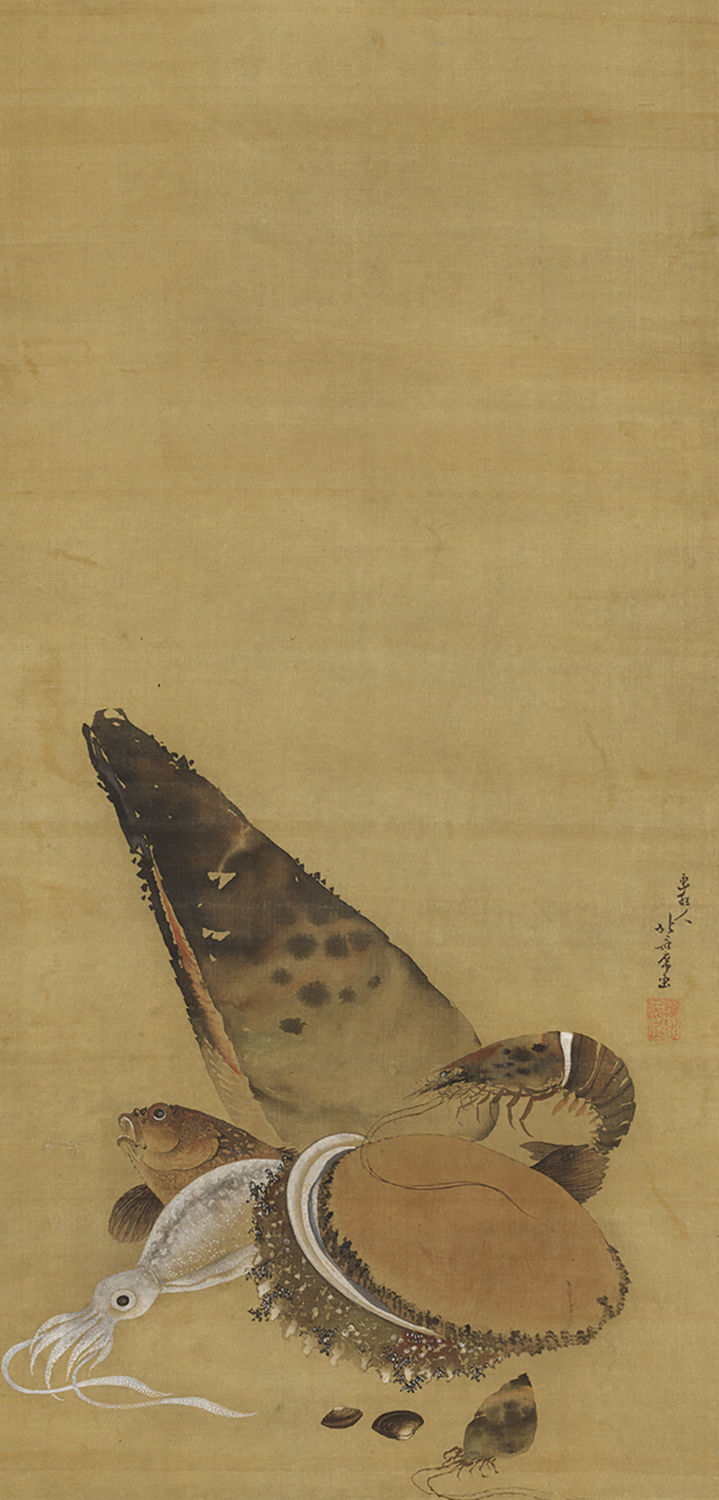
*Hokusai painted the formidable, standing figure of Shōki entirely in shades of vermillion.

Welcome back to Sumida City!
This masterpiece of The Scenery on Both Banks of the Sumida River Picture Scroll— measuring seven meters long, is known to have been commissioned by the comic-fiction writer and rakugo performer Utei-Enba, and since then, it is believed to have been away from Japan for about 100 years.
Hokusai uses effects of light and shade rarely seen in ukiyo-e.

Chapter 2 Hokusai's Nishiki-e Prints
You can see brilliantly colored nishiki-e.
The museum houses Hokusai's nishiki-e (polychrome prints) ranging from his debut at the age of 19 as an ukiyo-e artist under the name Shunrō to his late period at about 35, featuring the iconic ōban nishiki-e series.
It also displays valuable works: nishiki-e from the very beginning of his career as Shunrō and a hashira-e (pillar print) that is not known to exist in any other collection.
*This is the work from the period in which Hokusai devoted himself to creating Western-style prints; few examples are extant.

*It also displays vividly colored ōban nishiki-e series, including the world-famous Thirty-six Views of Mount Fuji.

Chapter 3 Hokusai's Surimono
You can see rare signatures and precious complete impressions.
During the Sōri's period (1794 to 1804)—when Hokusai was approximately 35 to 45 years old, he associated with masters of kyōka, satirical waka poetry, creating copious number of surimono (privately commissioned luxury prints) inscribed with a variety of kyōka.
*This surimono bears the unusual "Kōgaku (or Mukōdake) Hokusai 向岳北斎" signature!

*This surimono bears the unusual "Kōgaku (or Mukōdake) Hokusai" signature, too!

Chapter 4 Hokusai's Block-Printed Books
You can see Hokusai's rare works published the year after Hokusai's debut.
Hokusai contributed to block-printed books all throughout his entire career, starting by illustrating kibyōshi (light fiction), kyōka poetry books, yomihon novels.
He also created his drawing manuals filled with his characteristic humor, showcasing his versatile expertise.
*This work is a rare copy of a kibyōshi published in 1780, the year after he made his debut as an artist.

*This work is an original wrapper of a kyōka picture book when it was first sold, which is very rare. Its original colors survive beautifully.

*This work maintains original colors, too.

Chapter 5 Hokusai's Fascinating Students
Did you know that there was a Katsushika Hokusai II?
Hokusai had more than 200 students.
You can explore a rich variety of expressions from works that carried on Hokusai's style while enhancing their own individuality.
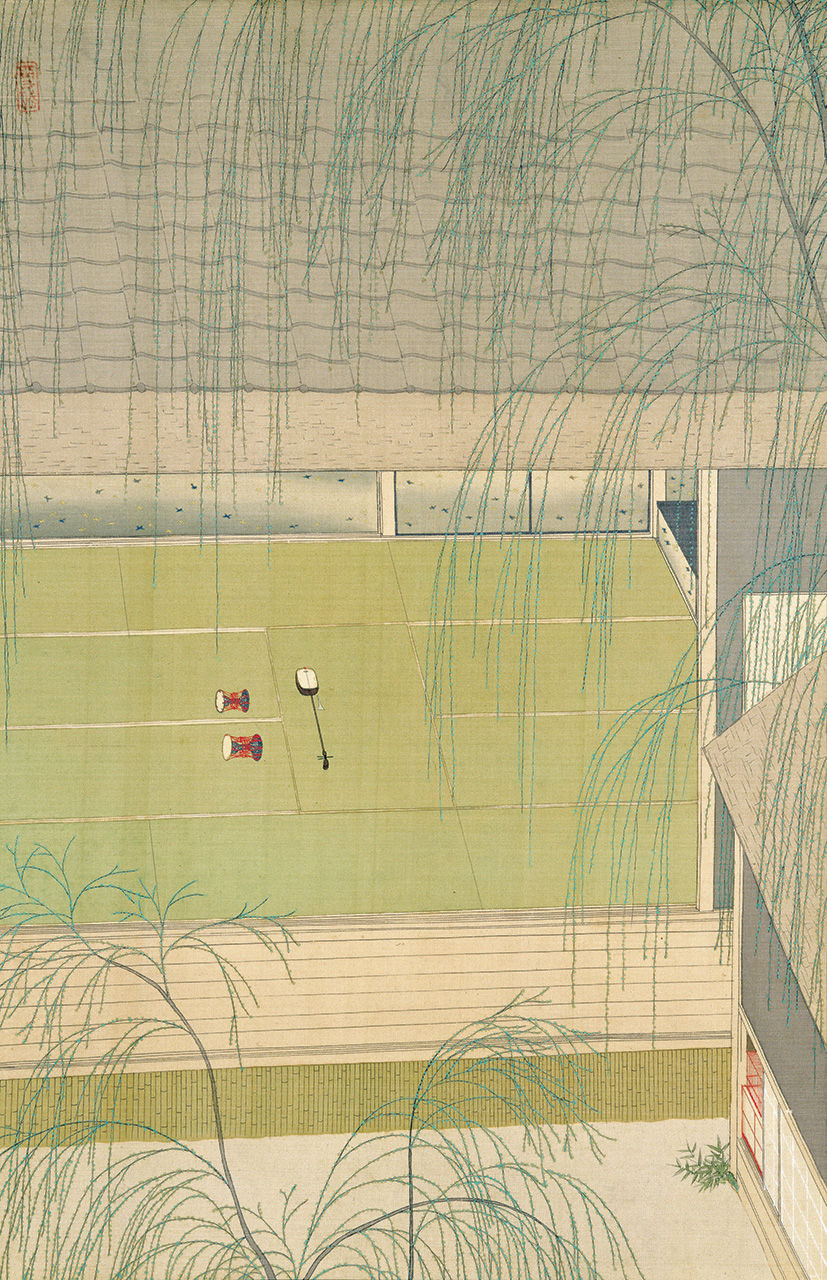
*Teisai Hokuba, known as one of Hokusai's greatest students, depicted the exact moment when a squall forced people to rush indoors while others remained indoors.

*Katsushika Hokusai II adapted Hokusai style while injecting his own artistic individuality.
He is a lesser-known student today, though.

For more information, please access here.


コメント